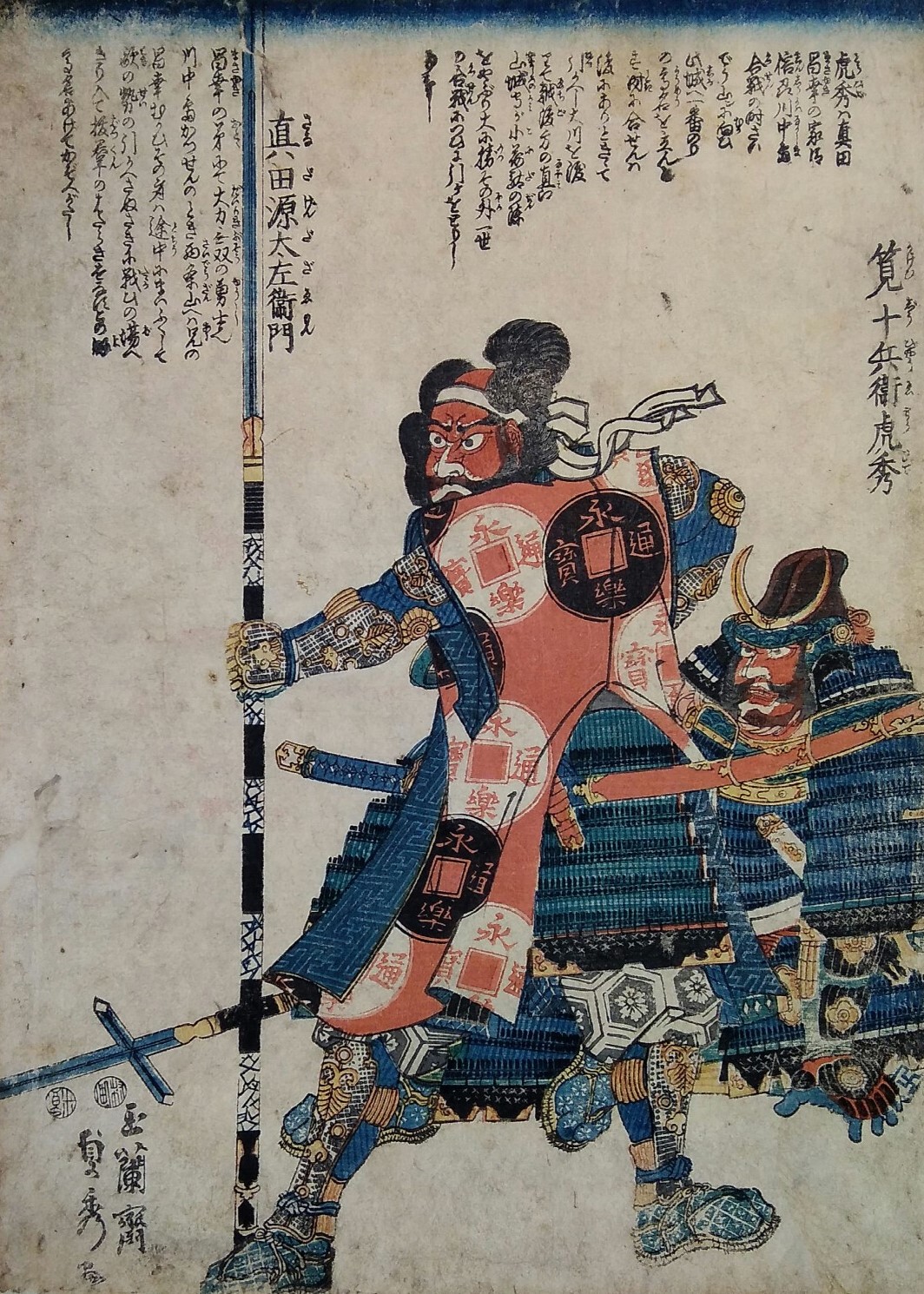
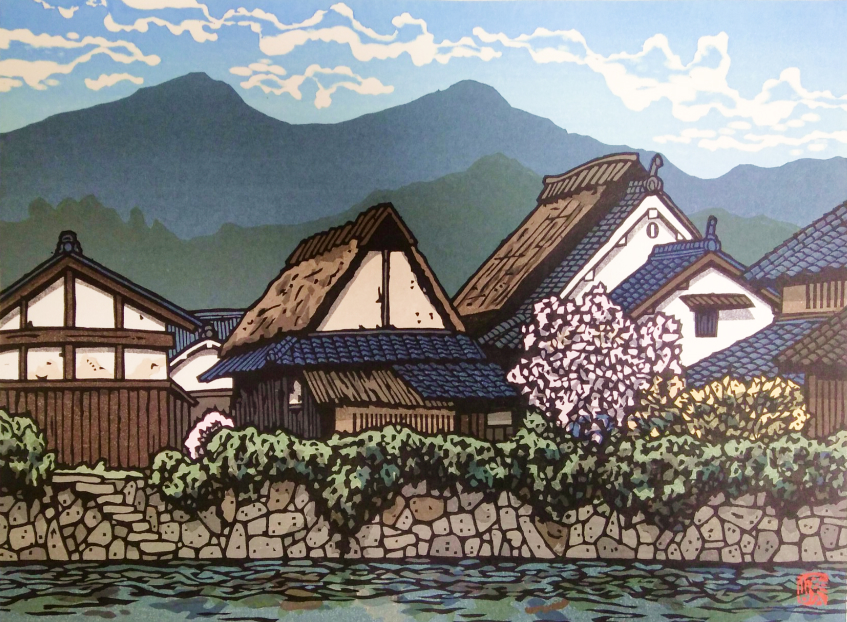
Utagawa Sadahide
1807 ~ 1873Utagawa Sadahide, born Hashimoto Kenjirō in 1807 in Shimōsa Province, was a prominent ukiyo-e artist active during the late Edo and early Meiji periods. A senior pupil of Utagawa Kunisada, he also used several art names,
including Gountei and Gyokuransai, and became one of the leading artists associated with the representation of Japan`s encounter with the Western world.
Sadahide worked in a wide range of genres, producing book illustrations, prints of beautiful women, warriors and landscapes, as well as maps and detailed panoramic views. He became particularly admired for his ambitious multi-sheet compositions,
extensive spatial perspectives and carefully observed bird`s-eye views. These works often combined the conventions of ukiyo-e with techniques derived from Western linear perspective.
Following the Convention of Kanagawa in 1854, the Ansei Treaties of 1858 and the opening of Yokohama to international trade in 1859, Sadahide produced numerous Yokohama-e. These prints depicted foreign residents, Western-style buildings, ships,
imported goods and new forms of industry and technology. Some scenes were based on direct observation, while others relied on imported illustrations or artistic imagination, particularly when representing foreign countries and ways of life that
Sadahide could not have personally witnessed. Publishers in Edo recognized the strong public interest in these subjects and circulated such images widely.
Sadahide also illustrated books and guides concerning Yokohama and its foreign settlement. Among the best known is the multi-volume Yokohama kaikō kenbunshi, published during the 1860s, which described the customs, food, clothing and technologies
of foreign residents. These publications attempted to satisfy Japanese curiosity about the outside world and, in some passages, corrected popular misconceptions while suggesting that certain Western practices might offer useful lessons for Japan.
In preparation for the Paris Universal Exposition of 1867, Sadahide was selected as the representative of a group of ukiyo-e artists whose works were included in the Tokugawa shogunate`s official display. Ten of his works were reportedly exhibited,
helping to introduce contemporary Japanese printmaking to an international audience. There is, however, no reliable evidence that Sadahide personally attended the exposition or that he was awarded the Légion d`honneur. His participation nevertheless
reflects the high esteem in which he was held during the final years of the Tokugawa period.